How to Choose Dental Equipment Movers in Chicago, IL: Checklist
Choosing the right vendor to relocate sensitive dental equipment can protect thousands of dollars in assets and keep your Chicago practice running on schedule. When evaluating dental equipment movers in Chicago, IL, practice managers need a structured approach to separate qualified specialists from general carriers. This 2026 checklist helps you vet vendors before signing any contract.
The 5-Step Vetting Checklist for Dental Equipment Movers
- State Licensing and DOT Compliance: Illinois requires intrastate movers to hold an active Illinois Commerce Commission (ICC) certificate. Confirm the vendor's ICC number before any other conversation. Interstate moves also require a valid USDOT number.
- Adequate Insurance Coverage: Request a certificate of insurance covering cargo liability, general liability, and workers' compensation. For high-value items like a CBCT scanner or digital imaging system, verify the policy limit matches replacement cost.
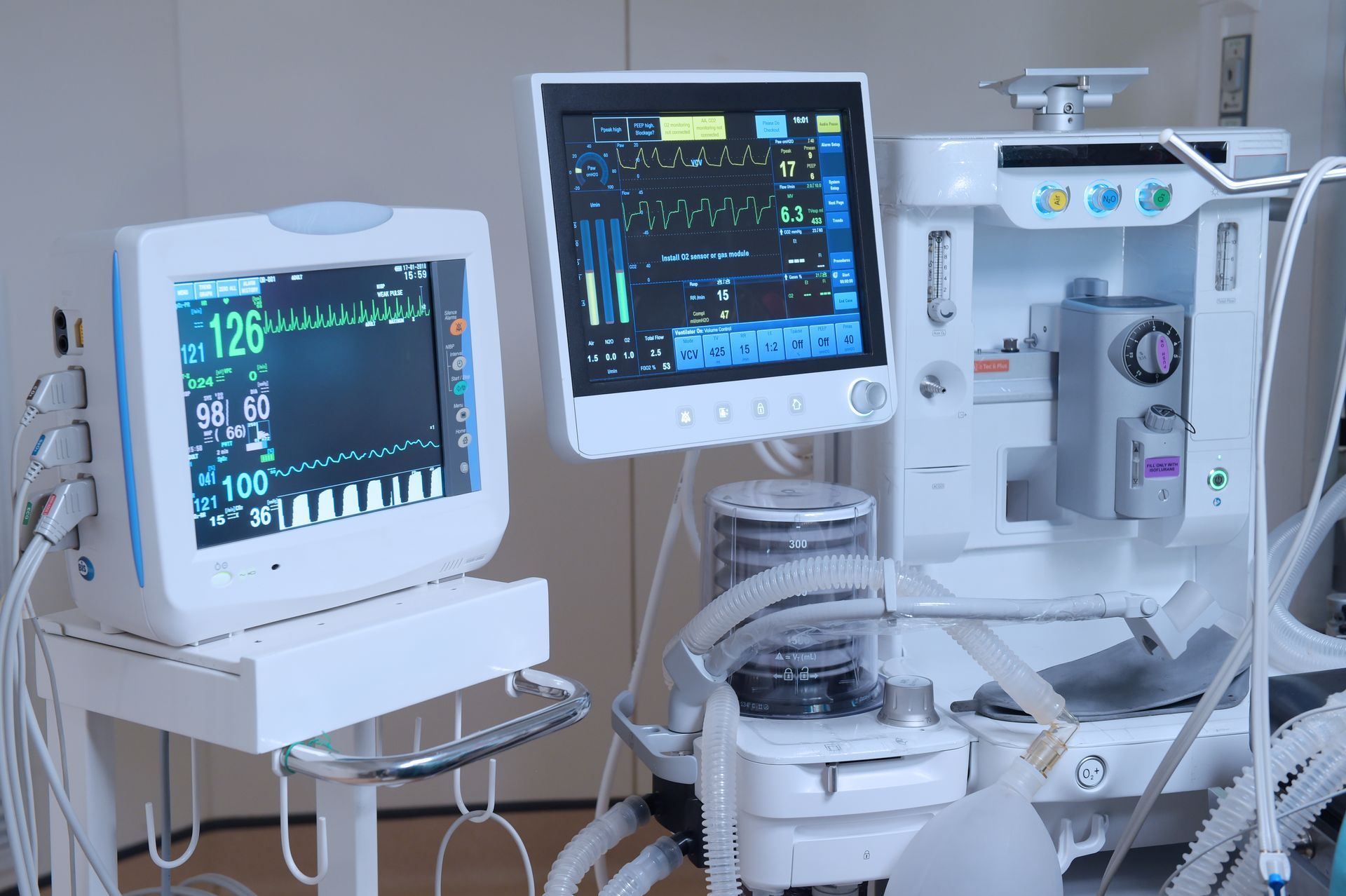
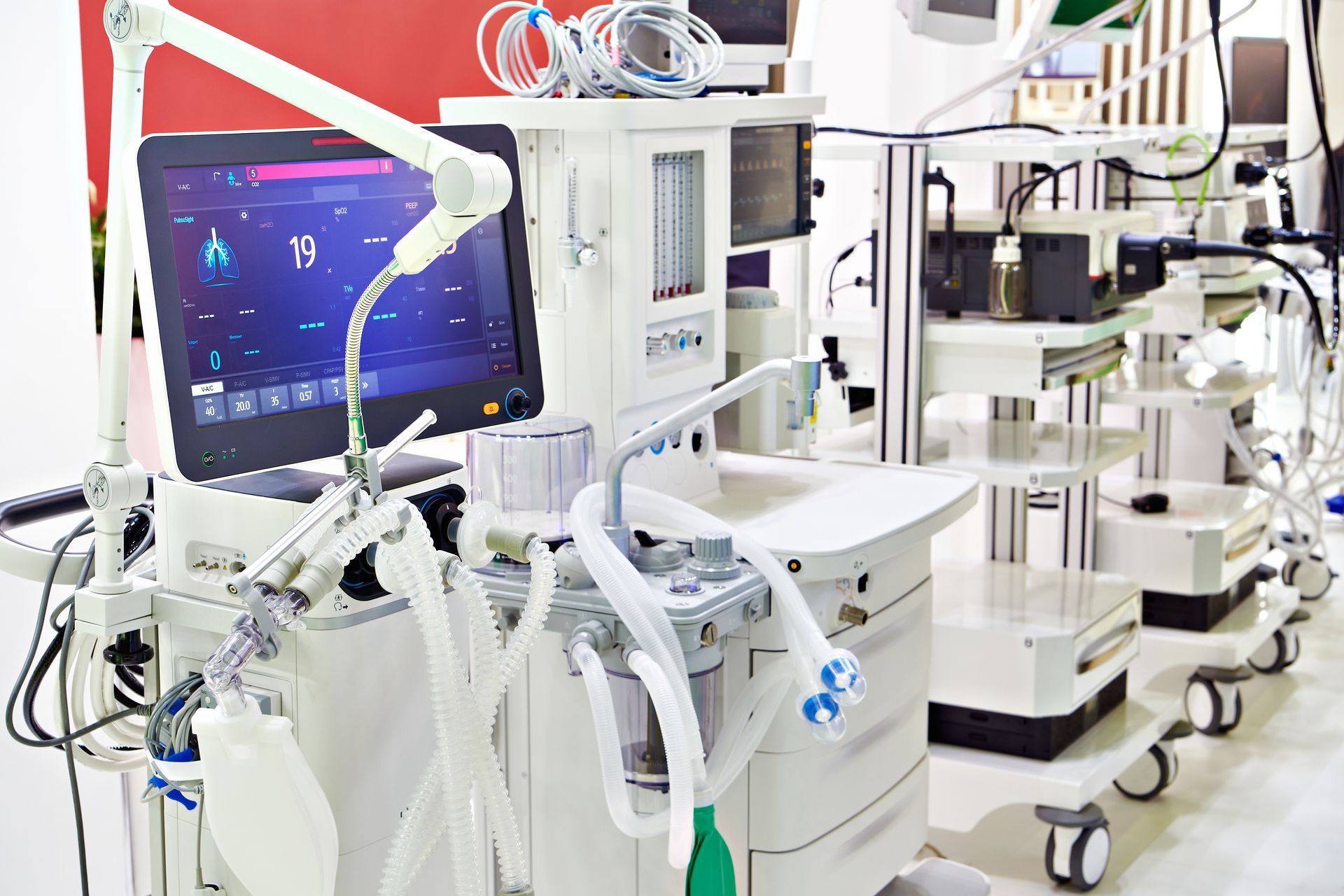
- Healthcare-Specific Experience: General movers rarely understand the vibration sensitivity of dental lasers, calibration requirements of digital X-ray sensors, or the freight elevator and corridor constraints common in older Chicago buildings. Ask for references from dental practices in the metro area.
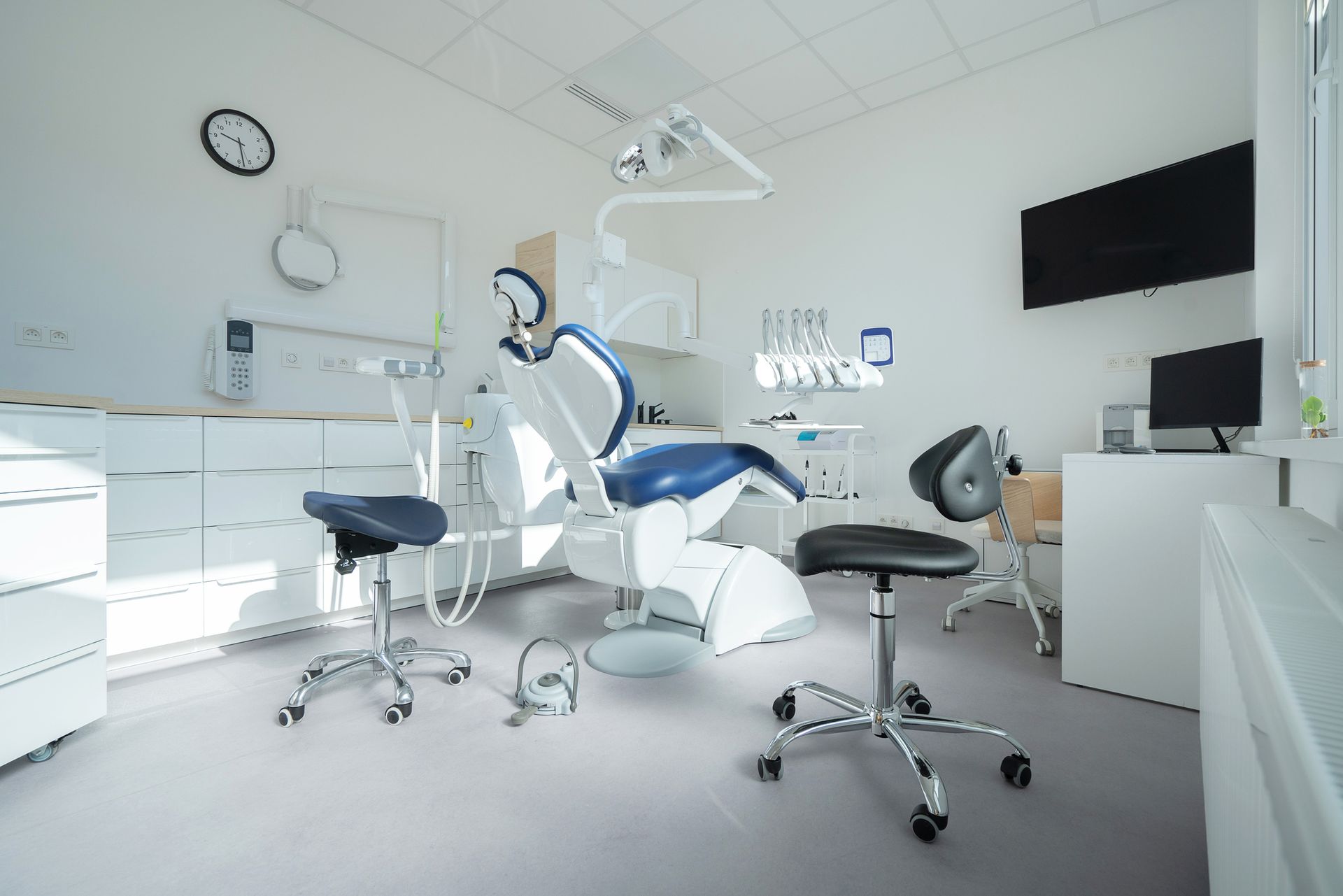
- Reinstallation Capability: Transport is only half the job. A qualified vendor should coordinate or directly perform reinstallation, including leveling chairs, reconnecting delivery systems, and verifying imaging units power on correctly. Confirm whether reinstallation is included or billed separately.
- Downtime Commitment: Request a written timeline and ask how the vendor handles delays. Reputable dental equipment movers in Chicago, IL build buffer time into schedules for traffic, elevator reservations, and building permit requirements common in neighborhoods like River North or Lincoln Park.
What Should You Ask Before Signing a Contract?
Ask these questions directly:
- Does the quote include disassembly, reassembly, and debris removal, or only transport?
- Who carries liability if a panoramic X-ray unit is damaged in transit?
- How does the vendor handle high-rise access, loading dock scheduling, or permit-required street closures?
- Can the vendor provide a dedicated project coordinator?
- Is climate-controlled transport available for temperature-sensitive electronics?
What Are Red Flags to Watch For?
- Movers who cannot provide a written certificate of insurance on request.
- Quotes that seem unusually low without an itemized breakdown.
- No verifiable references from dental or healthcare clients in the Chicago metro.
- Vendors who suggest packing digital sensors in standard moving blankets.
- No mention of reinstallation, testing, or post-move support.
How Long Does a Dental Office Move Typically Take?
A single-operatory suite can often be relocated in one to two days. A multi-chair facility with imaging equipment may require three to five days of logistics coordination, not counting buildout or permit approvals from Chicago's Department of Buildings.
Do I Need a Mover With Healthcare-Specific Insurance?
Standard commercial moving insurance may not cover calibrated or electronic medical devices. Request a policy that explicitly lists dental and medical equipment, and verify coverage limits match your asset values. Dental equipment movers in Chicago, IL who specialize in healthcare logistics typically carry broader cargo policies by design.
Ready to Plan Your Chicago Practice Relocation?
ABCO Specialized Healthcare Logistics serves Chicago, IL, and the surrounding metro from Carol Stream, offering dental equipment moving services Chicago practices can rely on for disassembly, transport, reinstallation, and storage. With more than 50 years of healthcare-specific experience, the team understands the precise handling your operatory equipment demands.
Visit the
dental equipment moving services page or
contact the logistics team to request a customized quote. Call
(630) 446-5757 to speak with a specialist today.