Hospital vs. Clinic Medical Equipment Movers: What's Different in Chicago (2026 Guide)
Moving hospitals and clinics both require expert Medical Equipment Movers, but the complexity, scale, and compliance demands differ significantly. Chicago, IL, is home to major health systems like Northwestern Medicine and Rush University Medical Center, plus hundreds of outpatient clinics from Lincoln Park to South Shore. Understanding those differences can save your team time, money, and regulatory headaches in 2026. This guide breaks down how hospital and clinic moves differ across scale, equipment, compliance, and downtime, so you can plan the right approach for your specific facility.
Why Scale Changes Everything in a Hospital Move
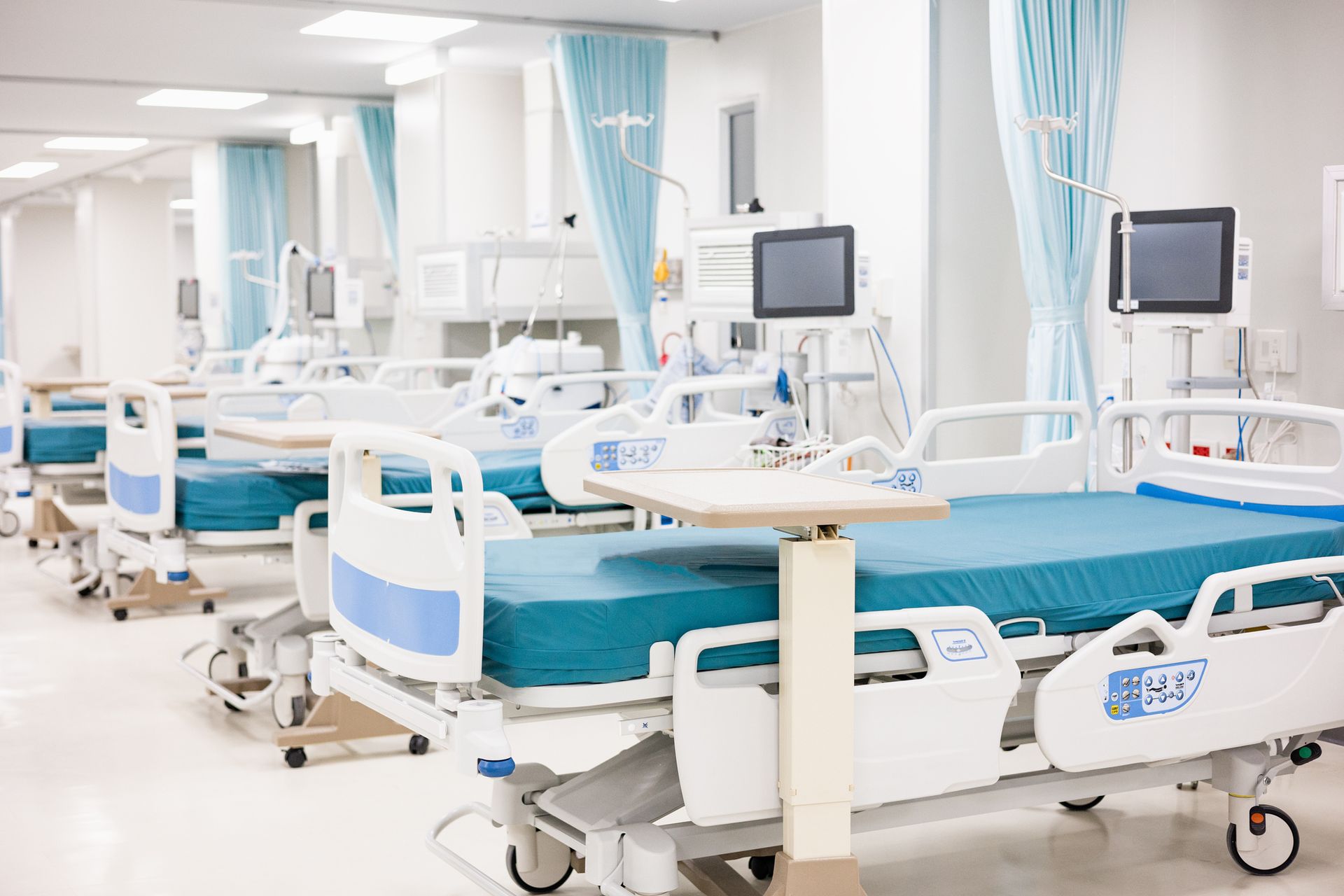
Hospital relocations are large by definition. A single Chicago system may need to move dozens of departments, hundreds of beds, and imaging suites containing equipment weighing several tons. An MRI machine requires structural assessments, magnet ramp-down procedures, and post-move recalibration before returning to clinical use. Coordinating all of this with active patients demands months of pre-move planning. Elevator reservations, corridor protection, and after-hours access all have to be sequenced around ongoing care, and a single missed handoff can push an entire department's timeline back by weeks.
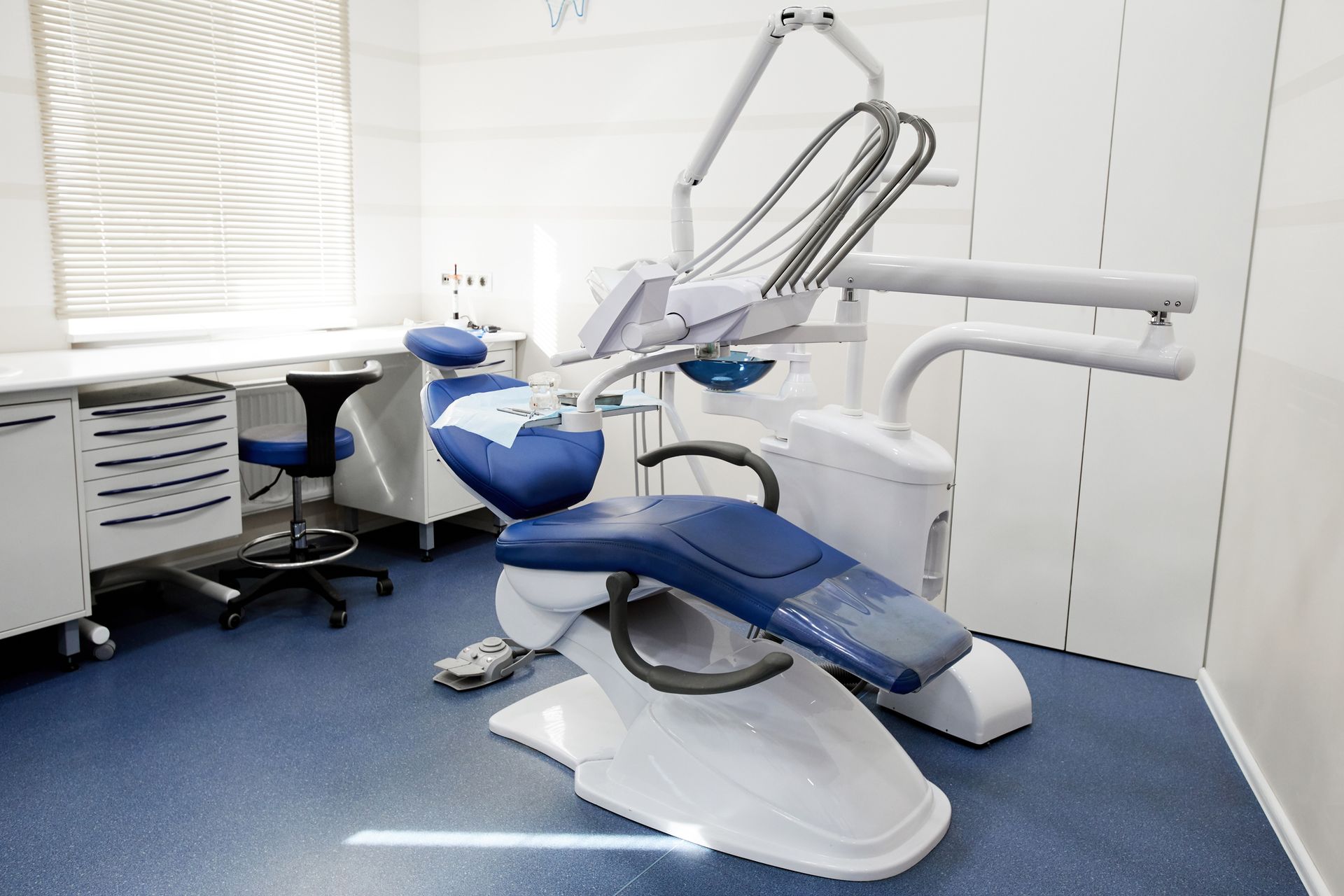
Clinic moves involve a smaller footprint. A specialty clinic relocating within the West Loop may only need to move portable ultrasound units, exam tables, a digital X-ray system, and basic lab equipment. The timeline is shorter and complexity is lower, but even a small clinic move carries real risk if the wrong crew handles delicate diagnostic equipment.
Equipment Complexity at Each Facility Type
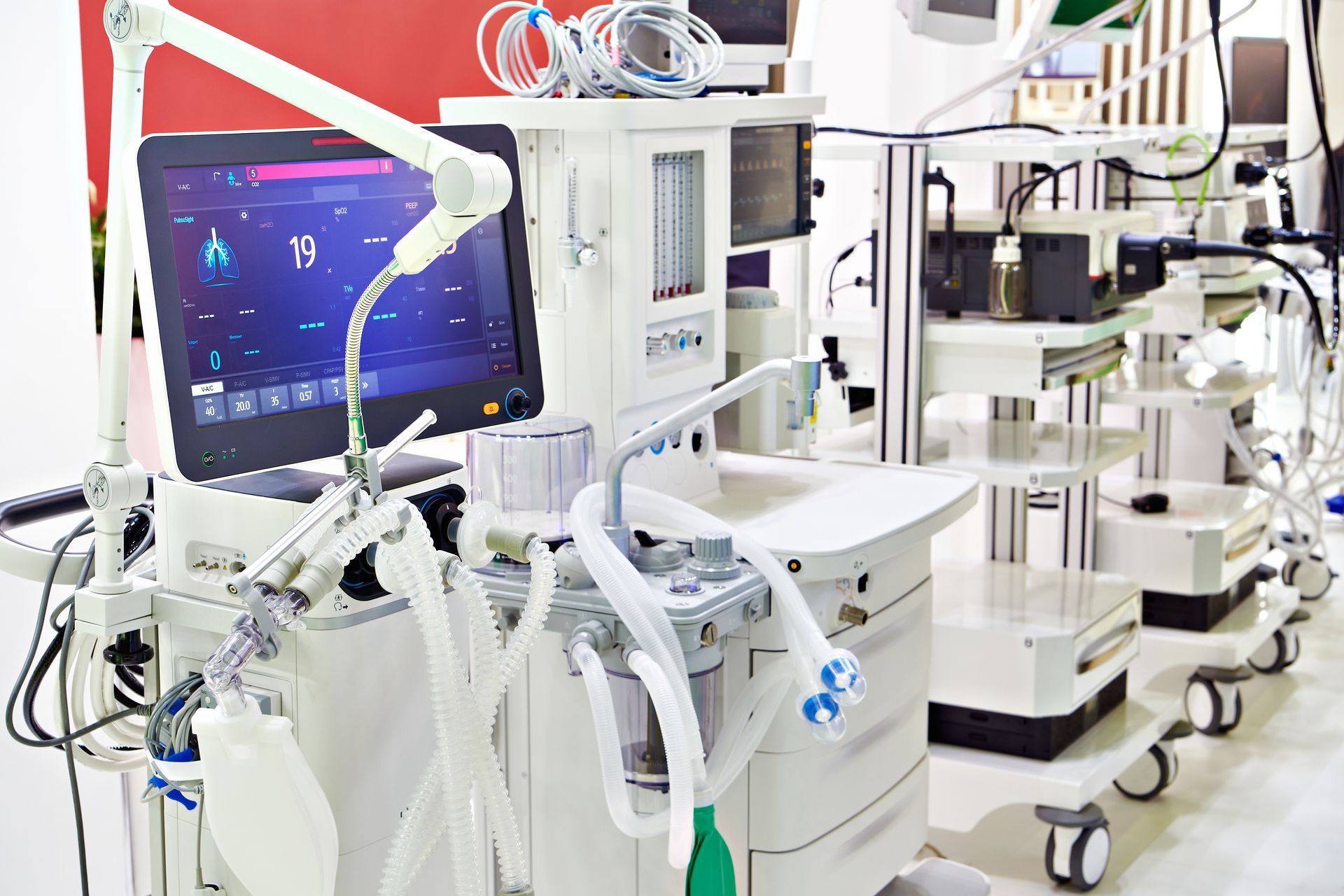
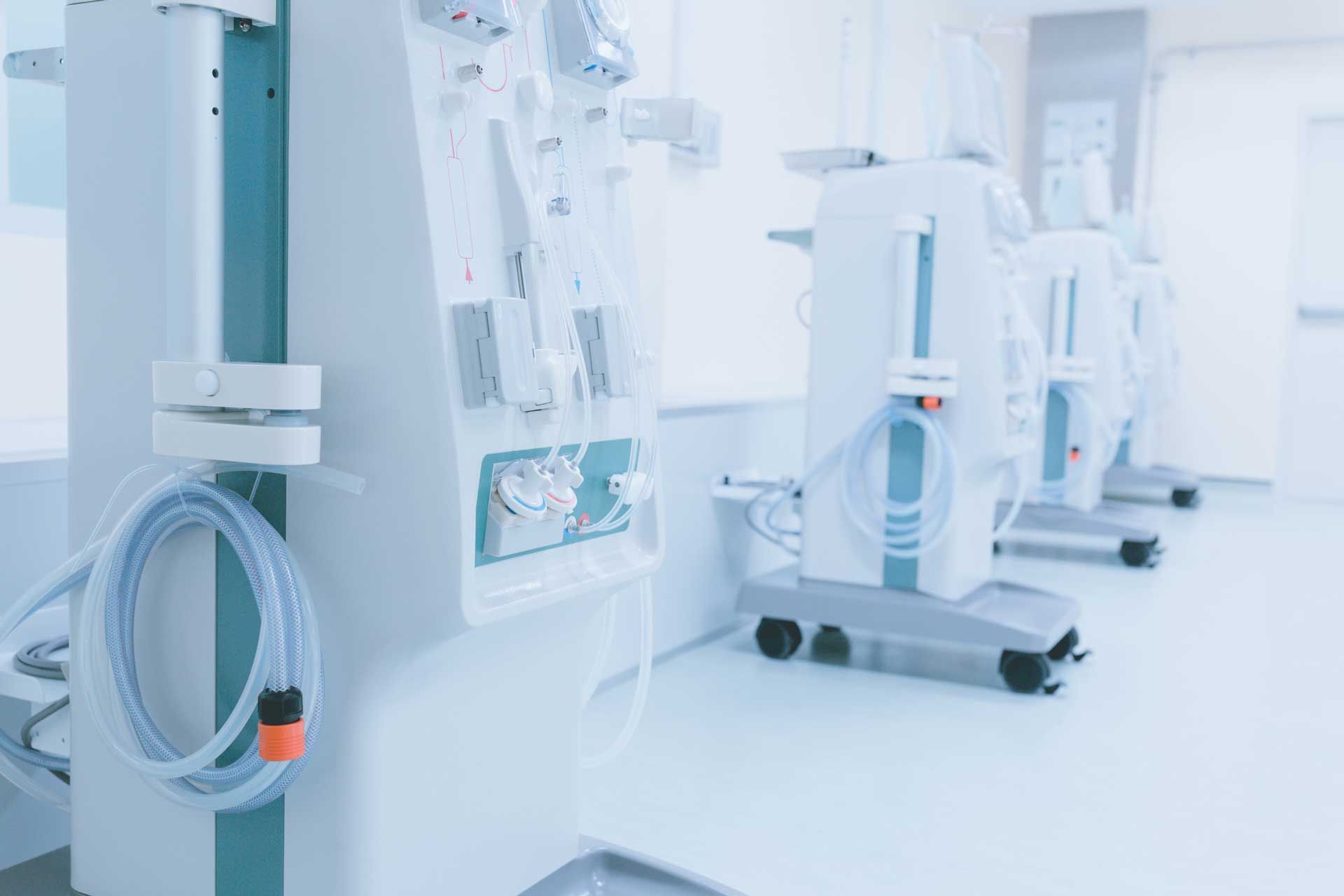
Hospital-grade equipment often includes fixed imaging systems such as CT scanners and MRI machines requiring specialized rigging, surgical suites with ceiling-mounted equipment booms, CLIA-certified central laboratory analyzers needing post-move revalidation, and pharmacy automation systems tied to hospital-wide software networks. Each of these categories carries its own vendor sign-off, calibration window, and warranty condition, so the moving plan has to account for manufacturer involvement long before the truck arrives.
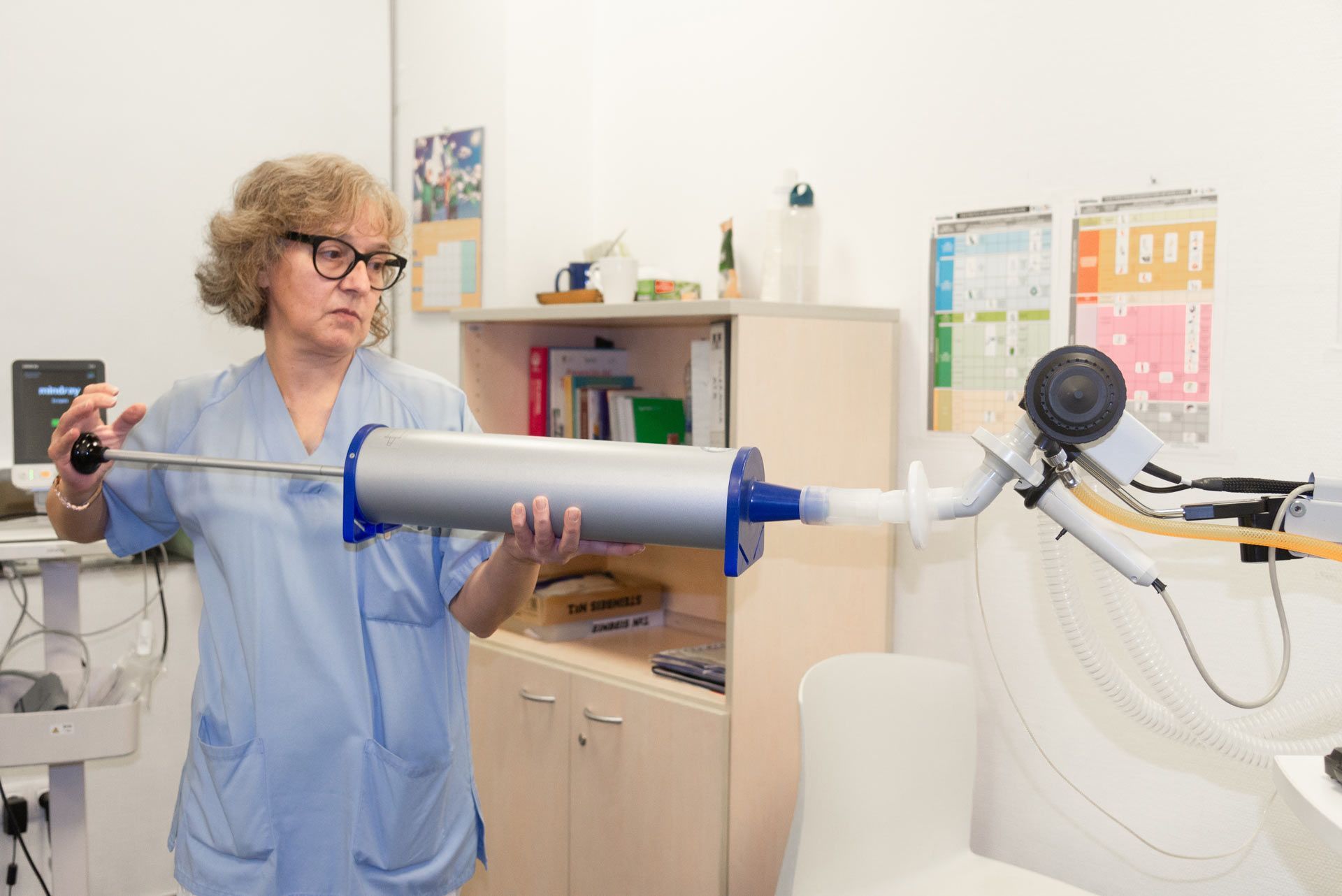
Clinic equipment is typically more portable but still sensitive: digital radiography panels, portable ultrasound devices, point-of-care testing machines, specialty exam chairs, and EHR workstations requiring careful disconnect and reconnect procedures.
How Compliance Differs Between Hospitals and Clinics in Illinois
Illinois healthcare facilities operate under the Illinois Hospital Licensing Act and IDPH rules governing transitions. Hospitals face stricter scrutiny because disruptions to imaging or surgical capacity directly affect patient safety and accreditation. Clinics licensed as Ambulatory Surgical Treatment Centers under 210 ILCS 5 carry specific requirements, though narrower in scope. IDPH may require advance notification and, in some cases, re-inspection before a relocated facility can resume services.
For both facility types, moves must protect HIPAA-covered data, maintain chain-of-custody for regulated devices, and preserve equipment warranties and FDA compliance records. Hospitals typically involve more stakeholders: biomedical engineering teams, infection control officers, facilities managers, and department chiefs. A clinic director may be the sole decision-maker.
Downtime Management Strategies
A Chicago hospital relocating a cardiology imaging department may phase the move over several weekends, keeping at least one suite active at all times and using temporary service agreements with nearby facilities to bridge the gap.
A primary care or specialty clinic can often complete a full move during a single weekend closure. Pre-staging equipment at the new location before the final cutover allows a skilled moving team serving Chicago, IL, to coordinate delivery sequencing so the new space is operational by Monday morning. Clear communication with patients and referring providers about the closure window keeps disruption to a minimum.
Checklist for Chicago Facility Managers
Before your move date: confirm your moving crew has healthcare-specific training; document all equipment serial numbers, warranty status, and calibration records; notify IDPH if the move involves a licensed facility address change; coordinate with your biomedical engineering vendor for post-move recalibration; verify the new location meets IDPH facility code requirements; and establish a contingency plan for equipment needing additional setup time.
Chicago's dense urban environment adds logistical layers. Loading dock access varies between older Loop-area hospitals and newer Fulton Market clinic spaces. Freight elevator scheduling in multi-tenant medical buildings can create bottlenecks if not booked in advance. Experienced Medical Equipment Movers familiar with Chicago, IL, can anticipate these friction points and build them into the project timeline. Seasonal weather, permit requirements for street-level staging, and limited overnight access downtown are additional factors a Chicago-based team plans for well in advance.
Ready to Plan Your Chicago Medical Facility Move?
ABCO Specialized Healthcare Logistics serves Chicago, IL, with specialized expertise for both large-scale hospital relocations and focused single-clinic moves. Visit the healthcare logistics service page or the medical equipment movers service page for details on equipment types and capabilities. To start planning, call (630) 446-5757 or contact the team online. You can also find ABCO Specialized Healthcare Logistics on Google to read reviews and get directions.