Distribution Services in Chicago, IL: A Receiving-to-Delivery Workflow
Distribution services in Chicago, IL, serve a complex logistics market shaped by the city's dense urban neighborhoods, sprawling suburbs, and major freight corridors like I-90, I-94, and I-55. This article walks through the full workflow of a distribution job, from the moment a shipment arrives at the receiving dock to its final delivery point, so buyers can understand exactly what happens at each stage and where key decisions get made. Whether you are shipping to medical facilities in the Loop, businesses in Wicker Park, or clients stretching west toward DuPage County, knowing this process helps you choose the right distribution partner.
What Does a Distribution Center Actually Do?
A distribution center manages the movement of goods from receipt through delivery. It acts as a coordinating hub where products arrive from manufacturers or suppliers, get organized and verified, move into strategic storage, and then ship outward according to a planned schedule. For businesses relying on distribution services in Chicago, IL, the center's ability to manage each handoff efficiently determines whether customers receive orders on time and in good condition.
Chicago's market adds real complexity. The metro area handles enormous freight volumes, and traffic on major interstates can affect delivery windows significantly. A well-run distribution center accounts for these variables and builds them into its planning.
How Does Product Move From Receiving to Delivery?
The workflow moves through five main stages: receiving, staging, storage, picking, and delivery.
Stage 1: Receiving and Inspection
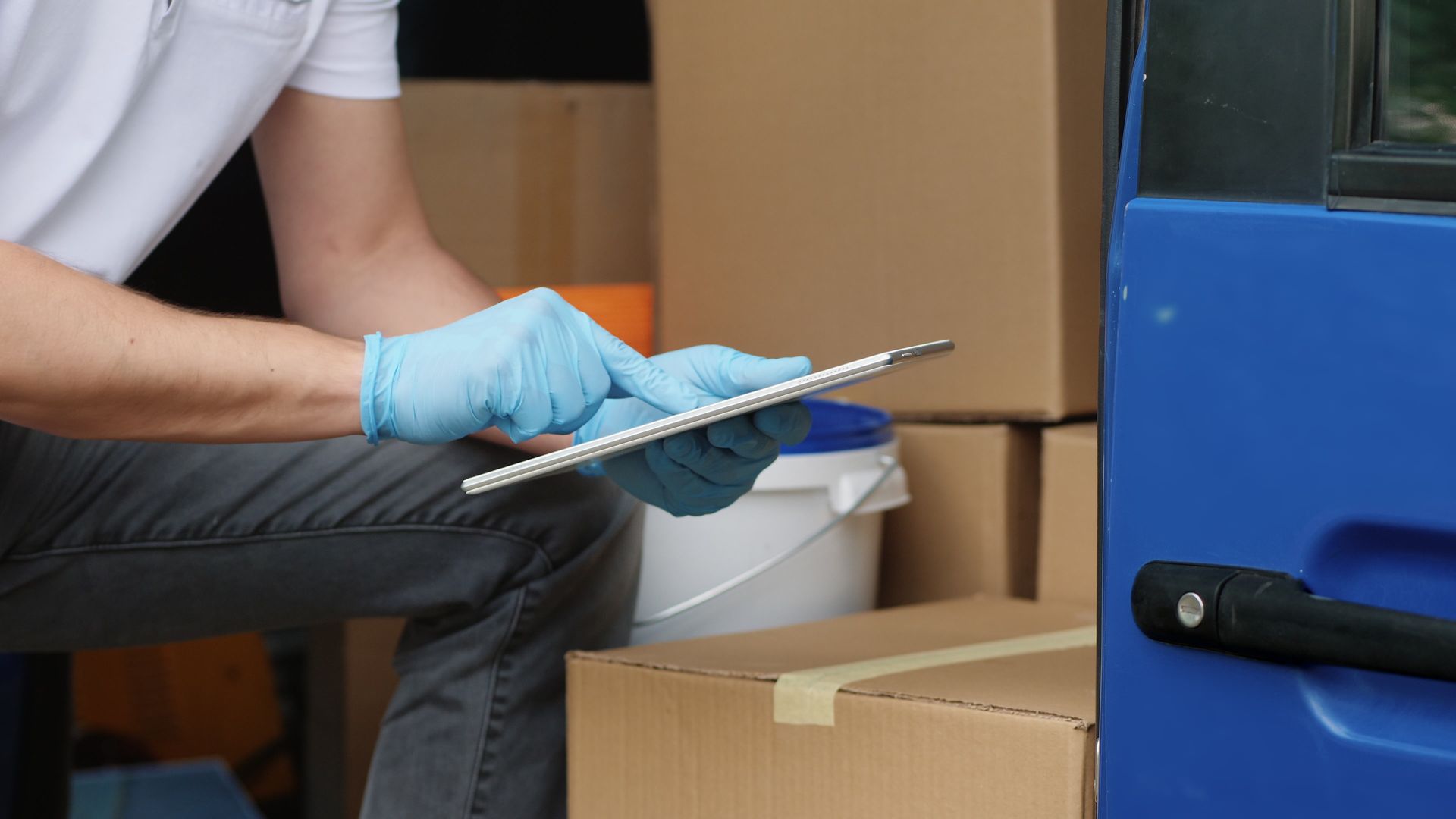
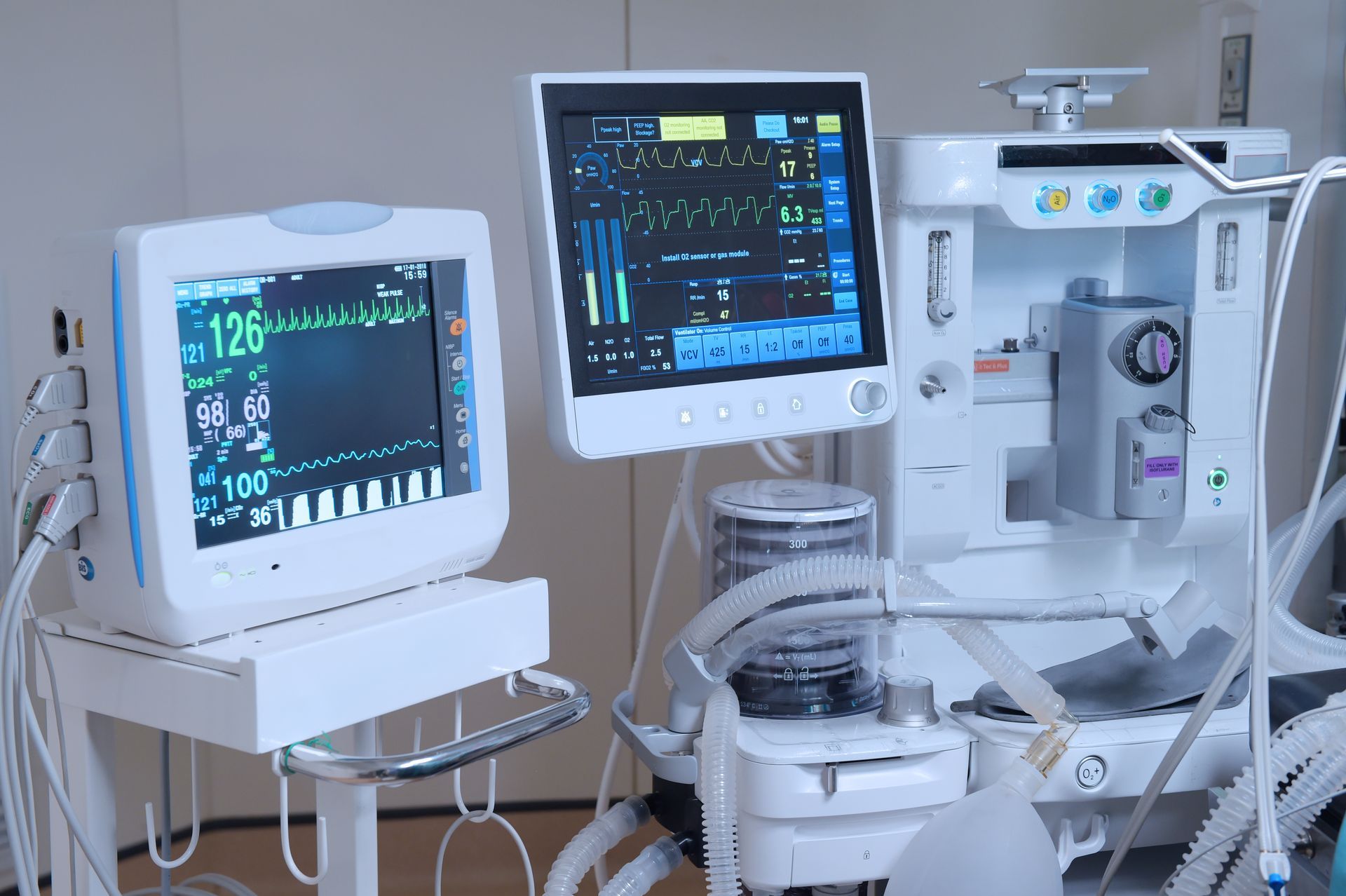
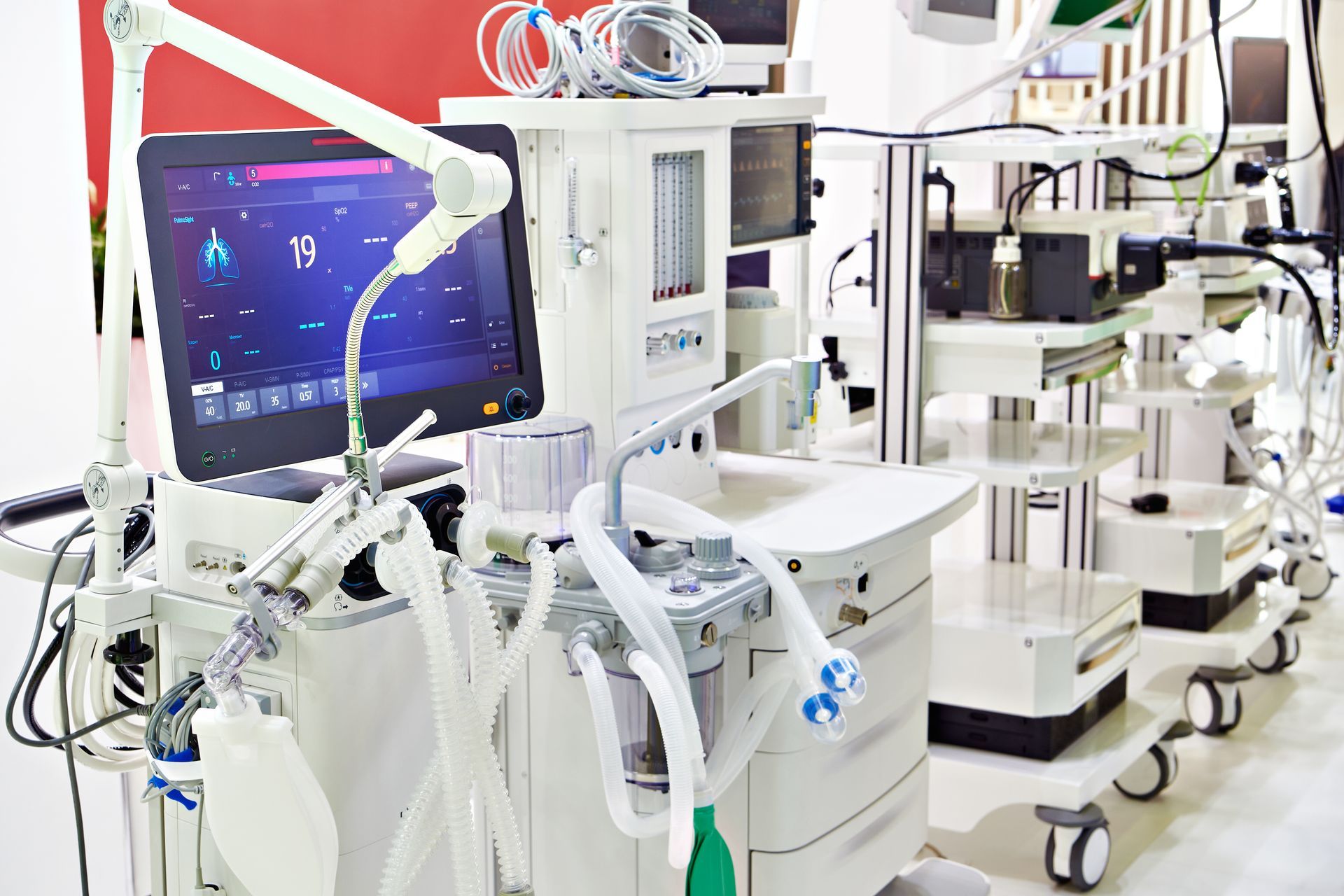
The workflow begins at the receiving dock. When a shipment arrives, the team logs the inbound load and checks it against the purchase order or delivery manifest. Every item is inspected for damage and counted for accuracy. Discrepancies are documented immediately. In healthcare and medical equipment distribution, this step carries extra weight because damaged or missing equipment can disrupt a facility's operations. Automated receiving reports keep clients informed at every stage of the process.
Stage 2: Staging and Sorting
After receiving, items move to a staging area where the team organizes products by delivery route, client, or project. For large commercial jobs serving multiple Chicago locations, such as supplying medical offices across the Near North Side or equipping dental practices in Oak Park, staging allows the crew to group shipments logically before they go into storage or onto a truck. Good staging reduces the risk of delivering the wrong items to the wrong address.
Stage 3: Storage and Inventory Management
Once staged, items move into designated storage areas. Short-term storage may hold products for a day or two before delivery. Long-term storage may hold equipment for weeks or months, such as during a medical office renovation or a large construction project. Distribution services in Chicago, IL, often need to accommodate both, since large projects in areas like the Illinois Medical District may require equipment to arrive at the warehouse well before a site is ready to receive it. Detailed inventory management keeps track of all equipment stored throughout this period.
Stage 4: Picking and Order Preparation
When a delivery order is triggered, a team member pulls the correct items from storage and prepares them for outbound shipment. For bulky or sensitive items like surgical equipment, dental chairs, or large appliances, this step may also involve padding, strapping, or crating. The goal is to make sure every item leaves storage in the same condition it arrived and is ready for safe transport.
Two decisions often happen at this stage that affect delivery outcomes. First, the team confirms whether items require special handling equipment, such as pads, straps, and dollies. Second, the route is finalized based on the delivery schedule, traffic patterns, and site access restrictions like building access requirements at a hospital or medical office in the Chicago Loop.
Stage 5: Final Mile Delivery and Installation
The last stage is delivery to the end destination. Final mile delivery covers the journey from the distribution center to the customer's door and may include placement at the destination and installation depending on the service agreement. For healthcare clients across the Chicago metro area, delivery may need to coordinate with facility staff, follow site access requirements, and happen within a narrow time window. The right provider manages all of these requirements without disrupting daily operations at the site.
To learn more about final mile options available to Chicago-area clients, visit the distribution and final mile delivery services page.
The right provider matches your project type. Distribution services in Chicago, IL, vary widely in specialization, and a provider experienced with medical equipment handles receiving, storage, and delivery very differently from a general freight company. Ask about receiving documentation, inventory visibility, storage conditions, and whether installation is included in the final mile scope. Regional experience and route knowledge also matter in a market that spans Lincoln Park to Naperville.
Consider whether the provider can scale. A project that starts with one clinic location may grow to ten. A distribution partner with flexible warehousing and a reliable crew can adapt without requiring you to switch vendors mid-project.
Partner With a Trusted Provider Serving Chicago
When your business needs reliable, specialized distribution support in Chicago, IL, ABCO Specialized Healthcare Logistics offers a full-service workflow built around your project's requirements, from receiving and staging through final mile delivery and installation. Call (630) 446-5757 to request a quote, or reach out through the contact page to discuss your specific needs. You can also find and review ABCO Specialized Healthcare Logistics on Google to learn more about the team's experience serving the greater Chicago area.